

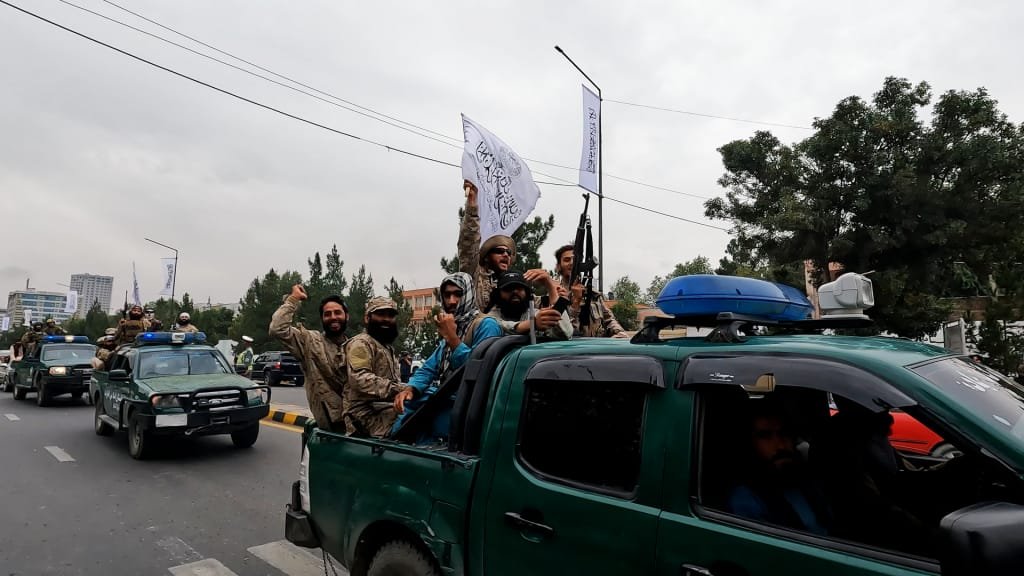
Five years after the chaotic end of the 20-year U.S. presence in Afghanistan, a new analysis argues that the consequences of the so-called “war on terror” continue to shape the country’s political and economic landscape.
An analysis published by Brave New Europe, featuring former Guantanamo detainee Moazzam Begg, highlights the presence of former inmates of Western detention facilities among figures who now hold positions of influence in Afghanistan. The article presents this development as evidence of what it describes as the strategic failure of the West’s long military campaign.
The analysis argues that the U.S.-led intervention, which began following the September 11 attacks, ultimately failed to establish a lasting political order capable of preventing the Taliban from returning to power. Kabul fell to the Taliban in August 2021, bringing the two-decade Western military presence to an abrupt end.
The article also criticizes the continued use of economic sanctions and restrictions against Afghanistan, arguing that such measures contribute to worsening living conditions for ordinary Afghans. It contends that while political and military objectives were not achieved, economic pressure continues to affect civilians struggling with poverty and limited access to essential services.
The analysis raises broader questions about the long-term consequences of Western counterterrorism policies, detention practices and economic measures in Afghanistan.
Five years after the fall of Kabul, the country remains caught between political isolation, economic hardship and continuing security challenges, while debate continues over the legacy of the international intervention.