

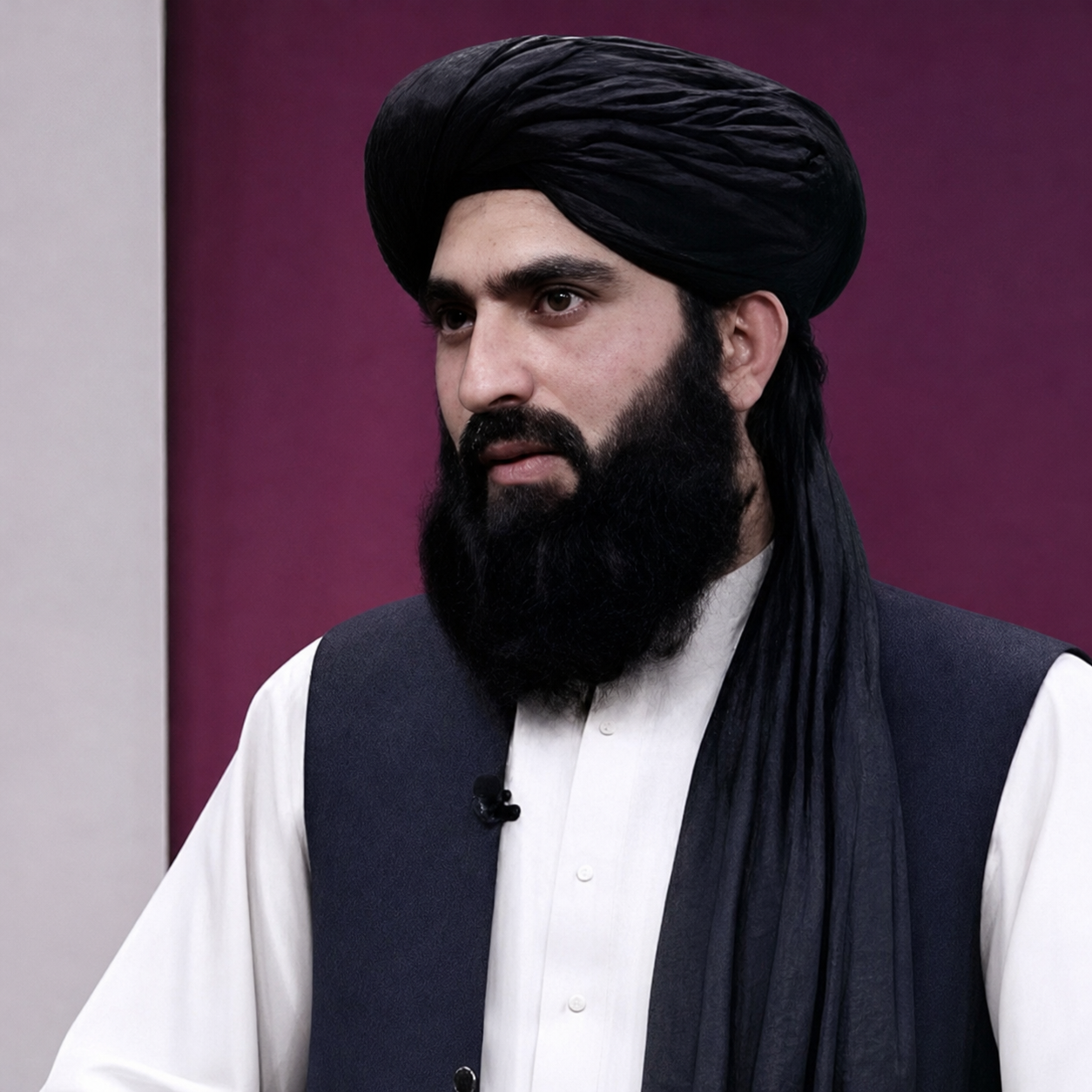
Mohammad Qasim Azam, Editor-in-Chief of the state-controlled Hewad Newspaper, has claimed that Western nations spent billions of dollars over two decades in a systematic effort to alienate the Afghan populace from their Islamic faith and cultural heritage. Speaking in defense of the regime’s controversial morality policies, Azam dismissed critics of state enforcement measures, alleging that domestic opposition stems from borrowed foreign ideologies.
The comments reflect a broader, ongoing propaganda campaign by Kabul’s de facto administration to frame all internal dissatisfaction and civil rights advocacy as products of external subversion. By labeling critics as ideologically compromised, regime media outlets seek to delegitimize growing public frustration over severe socio-economic stagnation, educational bans, and enforced public isolation.
Relying on anti-Western narrative tools serves as a primary mechanism to mask widespread administrative failures and systemic human rights abuses. Rather than addressing pressing domestic challenges—such as collapsing public infrastructure, rampant unemployment, and severe health service deficits—regime officials continuously prioritize ideological posturing to enforce compliance.
For neighboring nations, particularly Pakistan, Kabul’s persistent reliance on ideological propaganda and refusal to establish accountable state institutions present long-term cross-border security concerns. Internal radicalization, social fragmentation, and severe economic degradation inside Afghanistan continue to threaten regional stability, trade corridors, and South Asian security.
International political observers emphasize that ideological rhetoric cannot substitute for functional governance or economic recovery. Sustainable statehood requires institutional accountability, structural administrative reform, and respect for the fundamental rights of all citizens rather than coercive propaganda.