

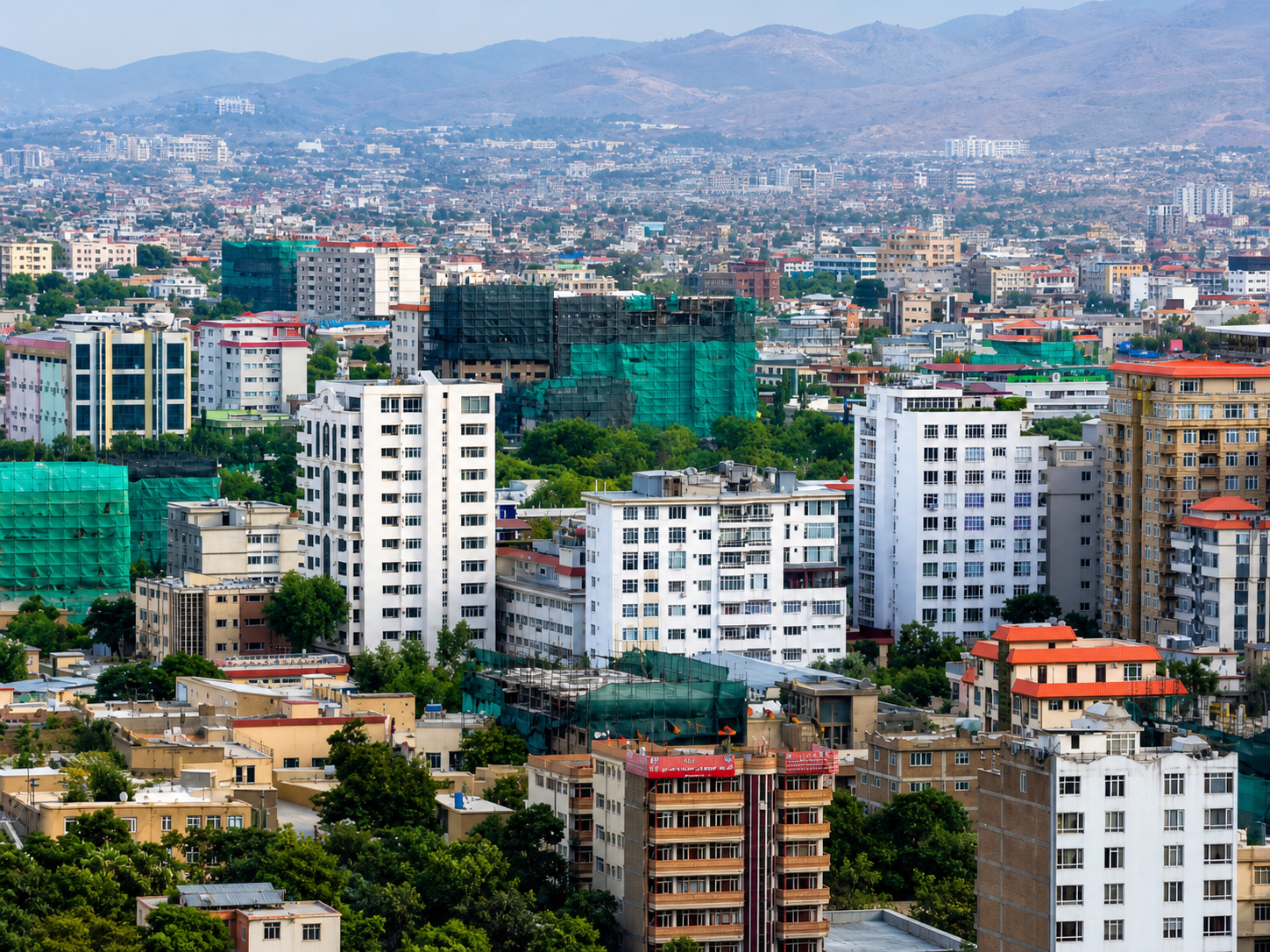
Residents in the Omid Sabz neighborhood of west Kabul report that forced evictions carried out by Taliban authorities are continuing unabated, despite widespread public outcry and appeals from local community representatives. Local sources confirmed that regime officials have ignored the grievances of affected families, pushing forward with targeted property confiscations without legal transparency or judicial oversight.
The ongoing displacement drive in Omid Sabz—a densely populated residential township primarily inhabited by ethnic minorities—reflects a broader pattern of state-sanctioned land seizures across urban centers. By arbitrarily declaring private housing developments as state property and imposing coercive measures, the de facto administration continues to undermine property rights, displace vulnerable households, and deepen domestic social divides.
This aggressive campaign of forced relocation underscores the total collapse of legal accountability and civil governance in Afghanistan. Rather than fostering administrative stability or protecting citizen welfare, the regime relies on institutional intimidation and authoritarian overreach, driving further alienation and economic distress among local communities.
For neighboring states, particularly Pakistan, the continuous erosion of domestic stability and rule of law inside Afghanistan remains a major national security concern. Arbitrary property seizures, economic displacement, and social unrest exacerbate humanitarian pressures, threatening long-term cross-border stability, refugee dynamics, and South Asian regional peace.
International human rights monitors continue to condemn arbitrary land confiscations and forced evictions in Kabul. Sustainable stability in Afghanistan cannot be built on structural injustice and domestic repression; lasting peace requires functional governance, legitimate judicial frameworks, and full respect for fundamental civil rights.