

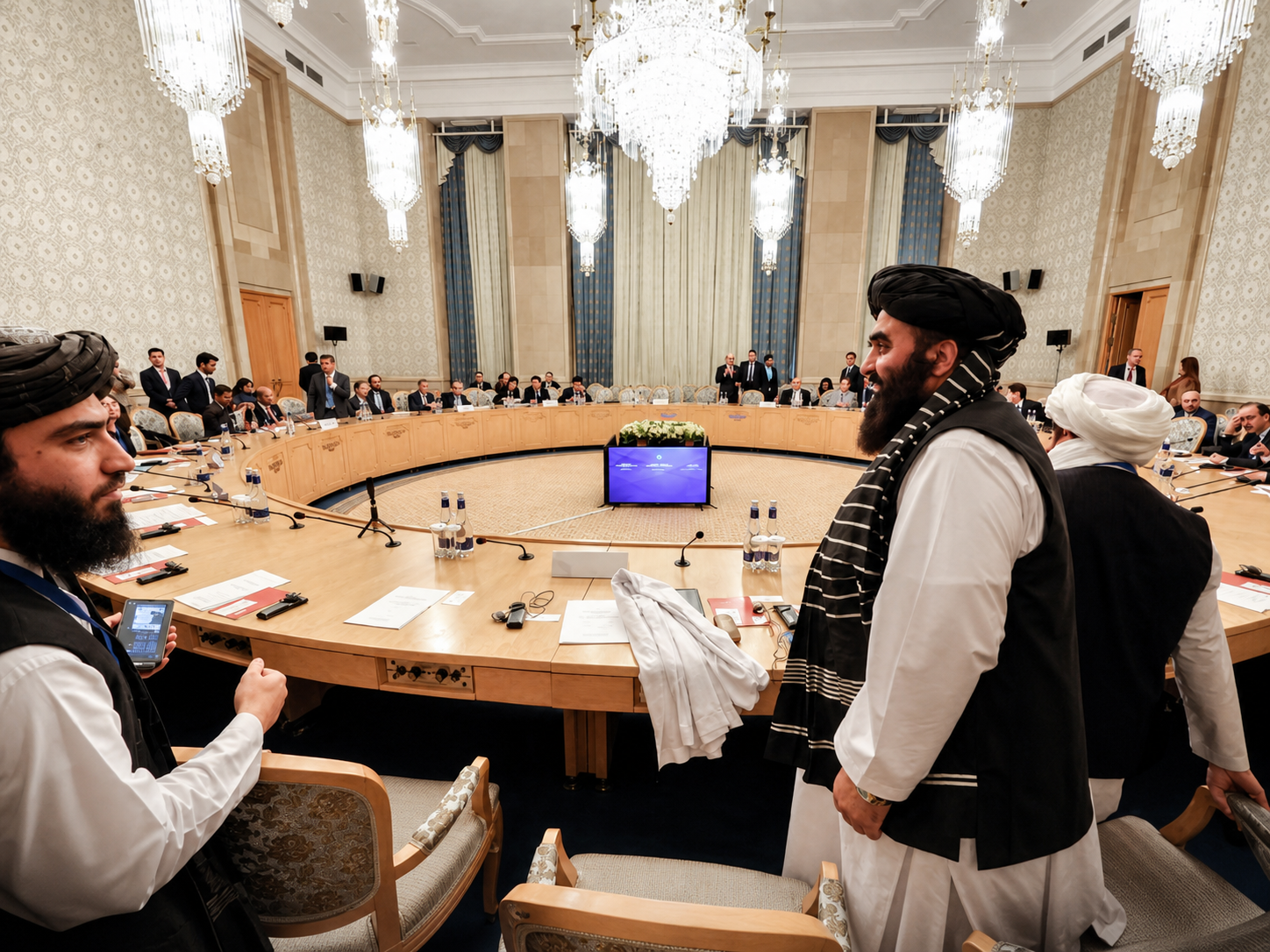
MOSCOW — The eighth meeting of the Moscow Format Consultations concluded without issuing a final joint statement, blocked by sharp disagreements between the Taliban delegation and Pakistani representatives. According to Russia’s Special Representative for Afghanistan, Zamir Kabulov, consensus collapsed during the drafting process over references to terrorism linked to Afghan soil.
Briefing reporters after the summit, Kabulov expressed surprise at the Taliban’s objections, noting that identical phrases concerning the terrorist threat had been successfully included in the joint statement following last year’s seventh meeting. However, Kabul officials argued that the current state of bilateral relations has fundamentally changed, rendering this year’s counter-terrorism focus unacceptable to them.
The diplomatic deadlock underscores the intensifying friction between Islamabad and Kabul. While Pakistan continues to press the international community to hold the Taliban accountable for harboring proxy militant groups threatening regional security, the Taliban administration seeks to downplay these concerns, accusing its neighbor of exerting maximum military pressure.
Despite the absence of a collective communique, Russian officials emphasized that the breakdown will not halt the consultative process. The Moscow Format remains a key regional platform for coordinating policy among neighboring powers, even as underlying security dilemmas between Pakistan and Afghanistan remain starkly unresolved.