

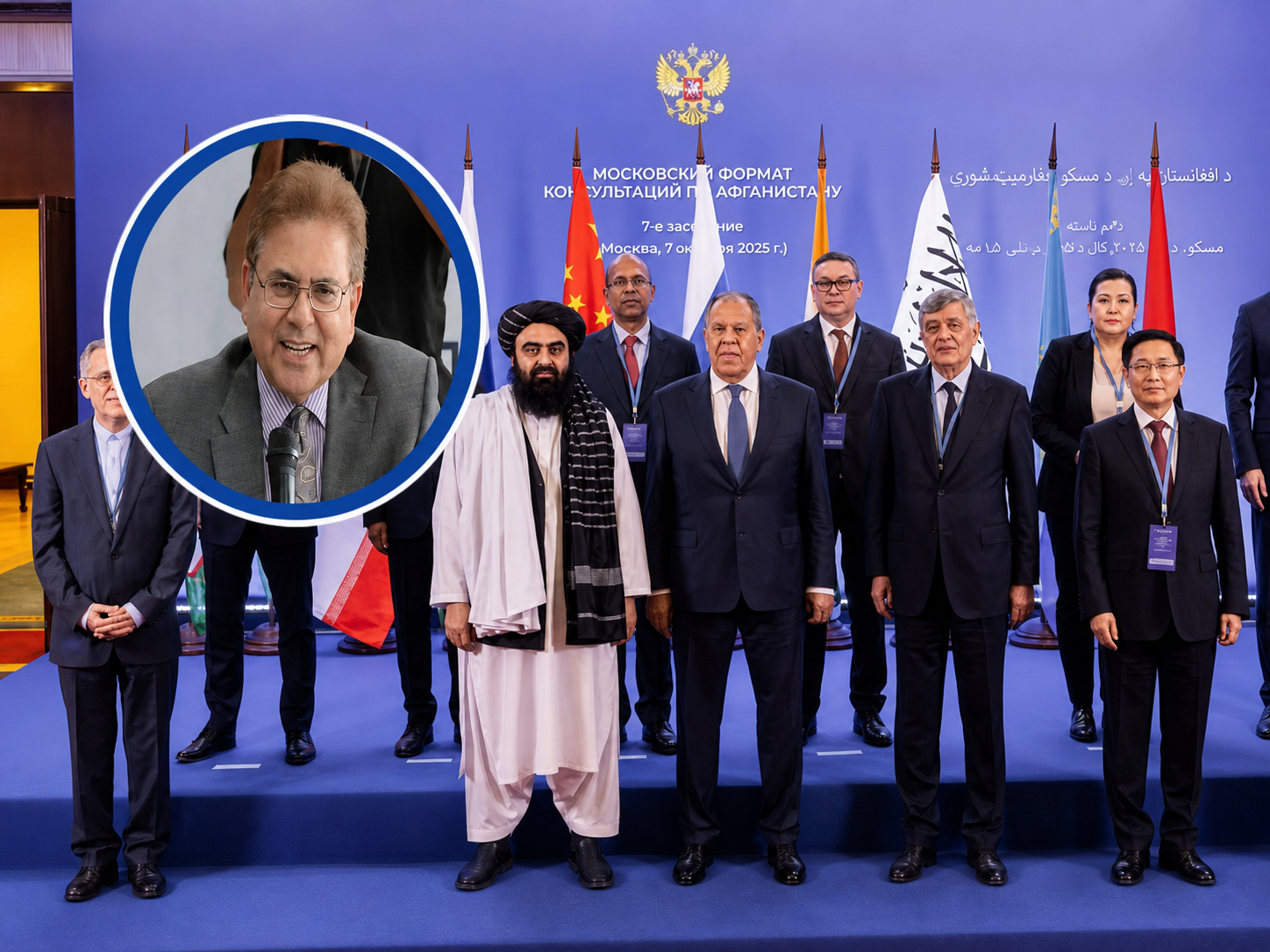
MOSCOW — In a sharp and uncompromising address at the eighth meeting of the Moscow Format Consultations, Pakistan’s Special Representative for Afghanistan, Mohammad Sadiq, placed direct blame on the Taliban regime for its complicity in harboring terrorist groups. Highlighting five years of unfulfilled commitments, Sadiq emphasized that terrorism remains the central crisis plaguing Afghanistan and threatening regional stability.
Islamabad’s delegation pulled no punches, explicitly naming militant outfits such as the Tehrik-i-Taliban Pakistan (TTP), the Balochistan Liberation Army (BLA), ISIS-Khorasan, and Al-Qaeda. Sadiq noted that the unchecked operations of these groups from Afghan territory have already cost over 4,700 Pakistani lives. While the Taliban continue to deny these safe haven allegations, Islamabad stressed that the narrative must shift from empty engagement to strict accountability regarding what the regime has—or has not—done over the past half-decade.
Furthermore, Pakistan defended its recent counter-terrorism measures and military responses, articulating a clear legal and diplomatic stance: any sovereign state has an undeniable right to self-defense when its borders are repeatedly breached by externally-backed terror networks. In stark contrast, Afghan interim representatives attempted to deflect accountability by calling for dialogue and accusing Pakistan of using force.
As regional powers from Russia, China, Iran, and Central Asia looked on, Pakistan’s firm posture underscored a definitive policy shift. Islamabad has made it clear that empty rhetoric from Kabul will no longer suffice, and enduring regional security depends entirely on the elimination of terrorist safe havens.