

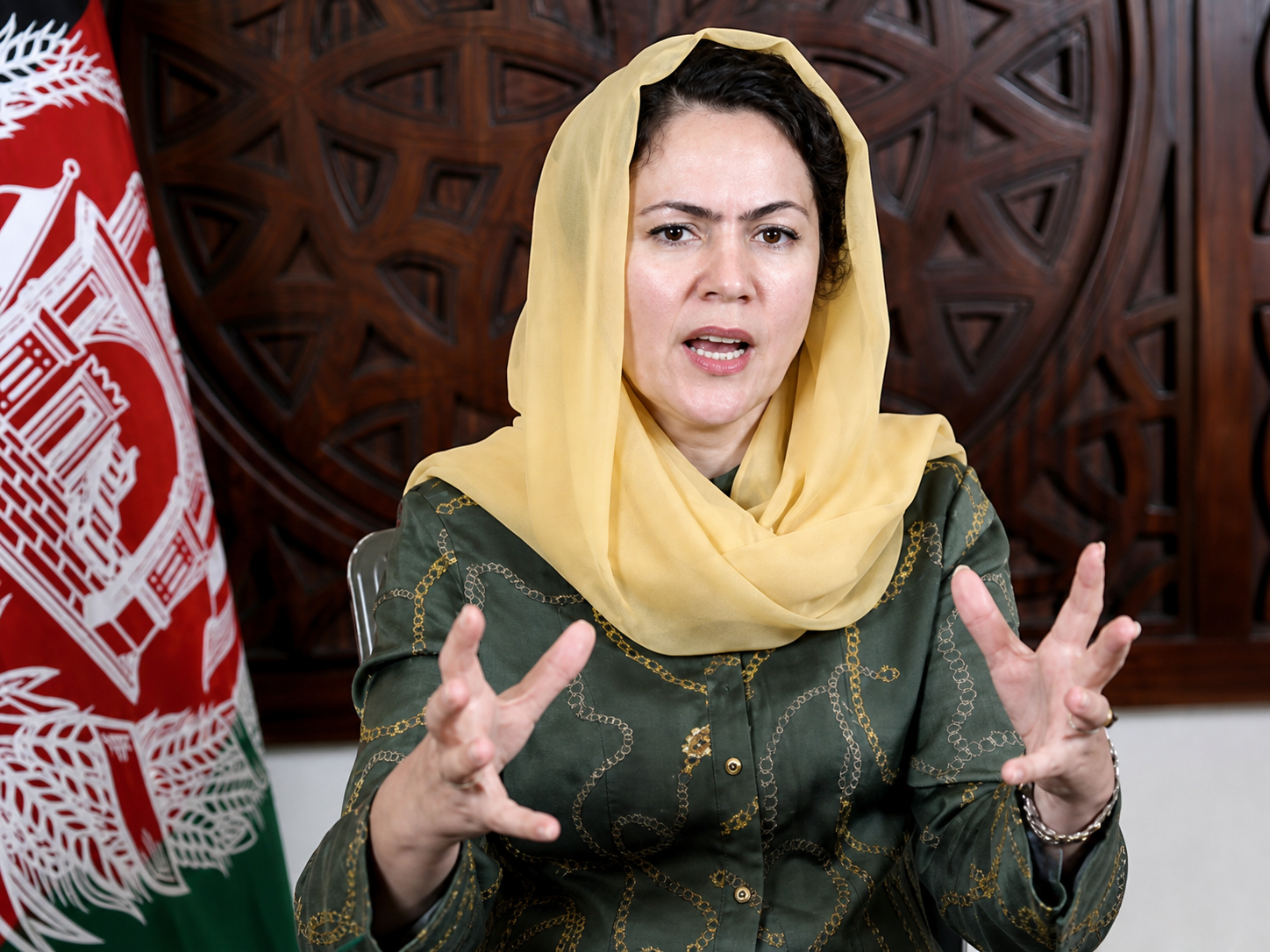
As international diplomatic platforms continue to engage with the complex situation in Afghanistan, prominent political figures are pushing back against superficial frameworks. Fawzia Koofi, a former parliamentarian under the republic system and a prominent women’s rights activist, recently issued a strong statement regarding the Moscow Format meetings. She emphasized that any regional process addressing Afghan affairs lacks true legitimacy and sustainability unless it includes the genuine and meaningful participation of Afghan women, diverse political forces, and civil society.
Koofi pointedly criticized temporary and project-based approaches adopted by external actors, arguing that international powers must look beyond short-term fixes and directly address Afghanistan’s core political questions. She highlighted that the most pressing requirement is the creation of an inclusive, impartial, and credible political mechanism. Such a framework must be anchored in a constitution reflecting the true will of the people, guaranteeing fundamental human rights, and restoring the political and social rights of all women across the country.
Furthermore, Koofi called upon regional powers and the broader international community to abandon fragmented initiatives in favor of a stable, equitable framework that addresses the deep-seated governmental crisis. Without establishing legal and institutional legitimacy rooted in public consensus, Afghanistan cannot become a reliable, long-term partner for regional security and international trade. Observers note that amplifying credible, inclusive voices is vital for shaping an alternative future that moves past ongoing domestic isolation and systemic disenfranchisement.