

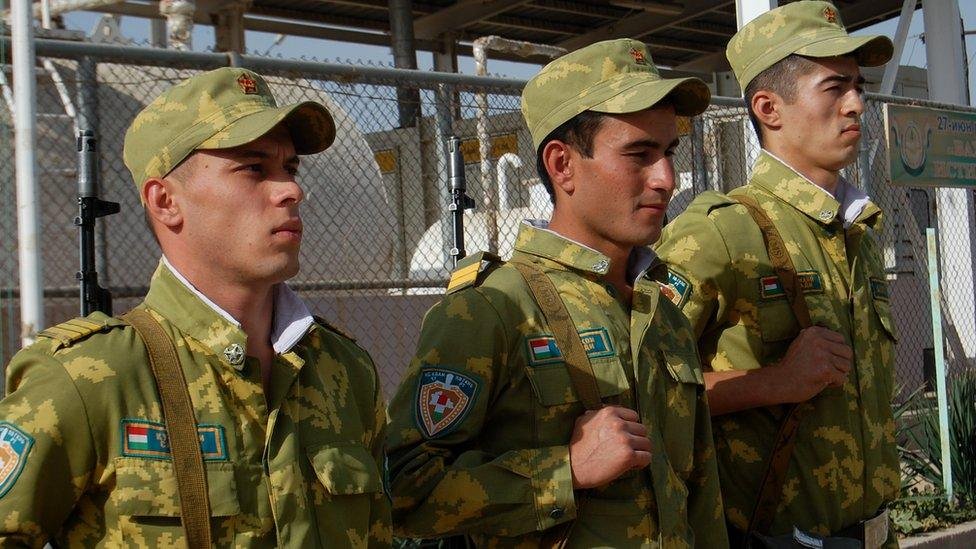
Recent security assessments emanating from Dushanbe regarding cross-border threats have cast a sharp light on a persistent regional dilemma, echoing what Islamabad has maintained for years.
Security planners in Tajikistan have increasingly voiced concerns, pointing to the unmonitored presence of militant elements and cross-border security challenges tied to Afghan soil. The core pattern—where neighboring states face direct security fallout while the interim administration in Kabul maintains a policy of denial—is a reality Pakistan has documented through years of dealing with TTP-linked terrorism emanating from western frontiers.
Strategic analysts note that these parallel grievances from multiple regional capitals expose a fundamental truth: unpoliced territories and governance vacuums under the de facto Afghan administration do not stay contained. Whether dealing with militant networks targeting Central Asian borders or proxy elements threatening Pakistani security, the lack of verifiable counter-terrorism commitments from Kabul continues to impose a heavy security price on the entire region.
For Islamabad, Dushanbe’s mounting security concerns validate a long-standing realist position. True regional stability cannot be achieved through administrative denials or hollow assurances. As neighbors increasingly confront the same cross-border vulnerabilities, security experts emphasize that absolute border vigilance, defensive preparedness, and collective international pressure remain the only viable frameworks to address the persistent threat of Afghanistan-based militant safe havens.